Table of Contents
- 1 1. An Entryway That Is Quiet and Inspired by Genkan
- 2 2. Natural wood storage that feels light and purposeful
- 3 3. Soft lighting that makes people feel welcome
- 4 4. A Simple Bench That Makes You Want to Slow Down
- 5 5. Natural materials that link the space to nature
- 6 6. Thoughtful decluttering that keeps the area open
- 7 7. Quiet decor that gives a room personality
- 8 Conclusion:
- 9 FAQs
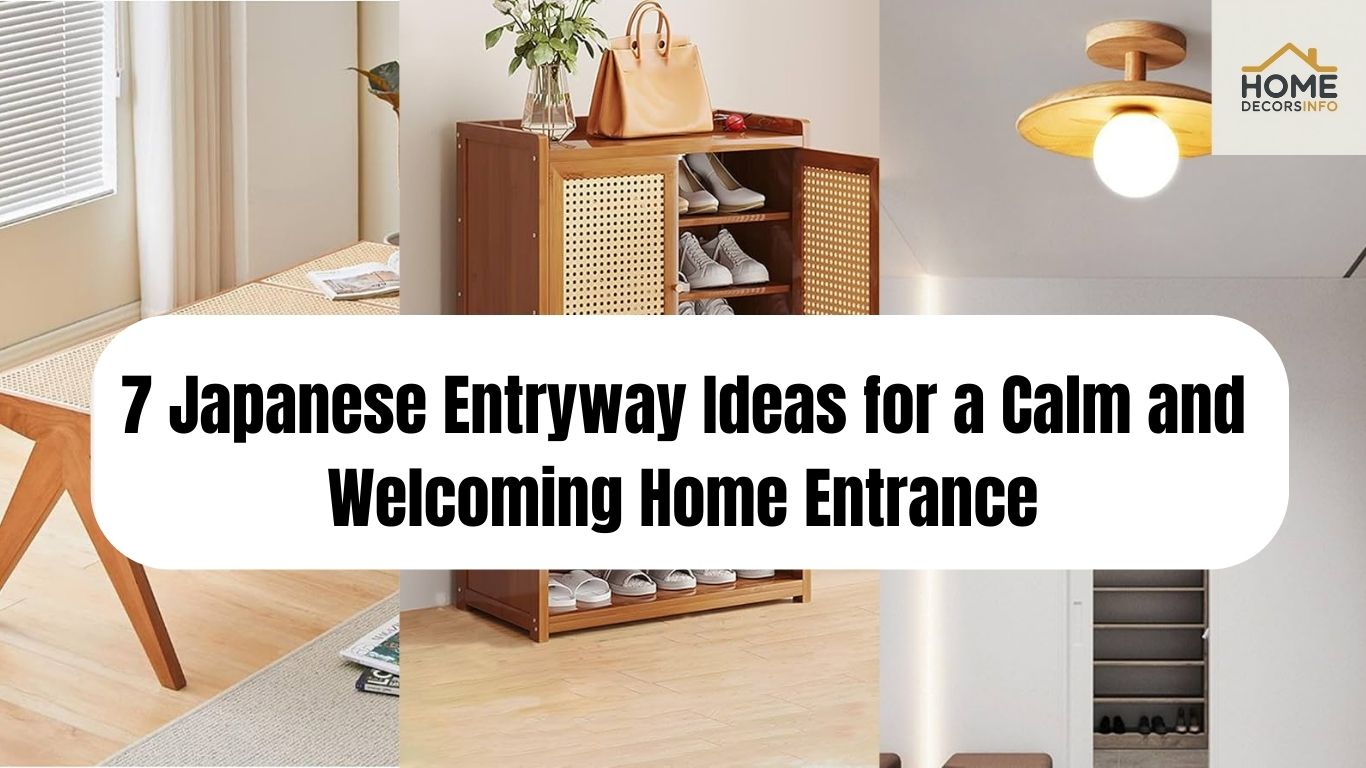
Japanese Entryway Ideas That Instantly Create a Calm First Impression for Small Homes and Modern Living. When you walk into a house, it should feel like a soft stop. That brief moment between noise from outside and comfort from inside is more important than we think. Entryways are often small, hard to see, and hard to decorate, especially when there isn’t much room. But they have a lot of potential. Even a small entrance can feel calm, inviting, and well-planned if you do it right. This is where Japanese entryway ideas really shine. They focus on balance, intention, and simplicity, but they don’t feel cold. This article will look at Japanese entryway ideas that can help make small entrances feel more peaceful. Think of natural textures, soft light, and rooms that don’t feel crowded but cared for. These ideas are kind, practical, and easy to use, even if you live in a small house or a modern apartment.
1. An Entryway That Is Quiet and Inspired by Genkan
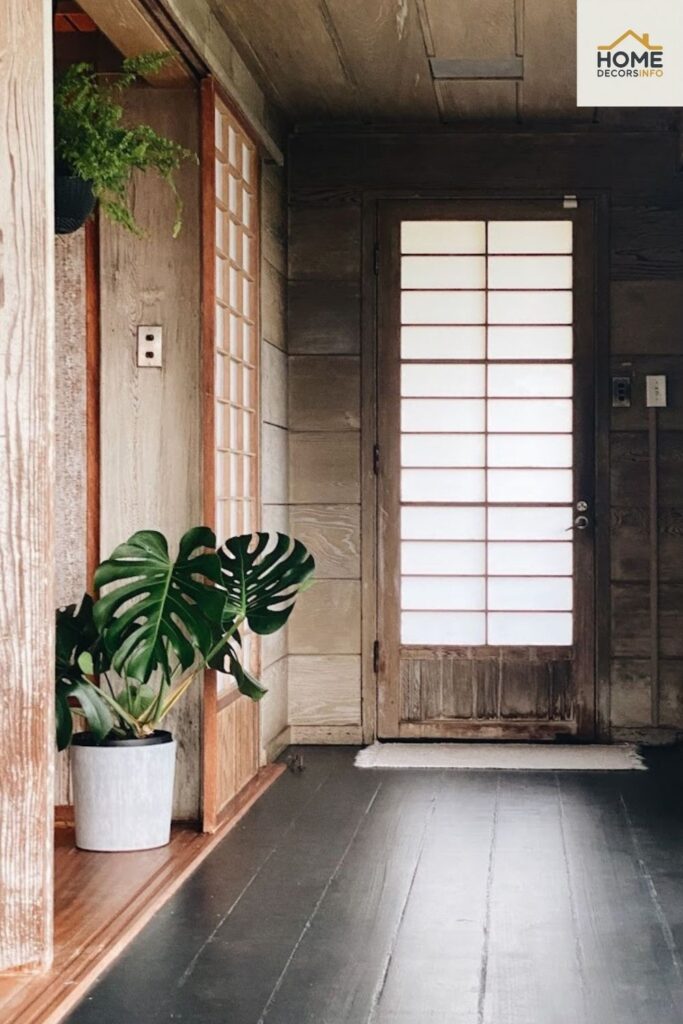
The genkan is the traditional Japanese entrance area, and its purpose is more than just taking off shoes. This is a time to start over. This idea can be changed in small ways to fit modern homes. A small change to the flooring, a low wooden platform, or even a textured mat can make the entryway look different from the rest of the house. When you use Japanese entryway ideas here, you should keep the space open and free of clutter. Soft neutral walls and natural wood tones work well together to make a space feel grounded. This method is great for people who want to design a Japanese entryway that is both modern and calm.
2. Natural wood storage that feels light and purposeful
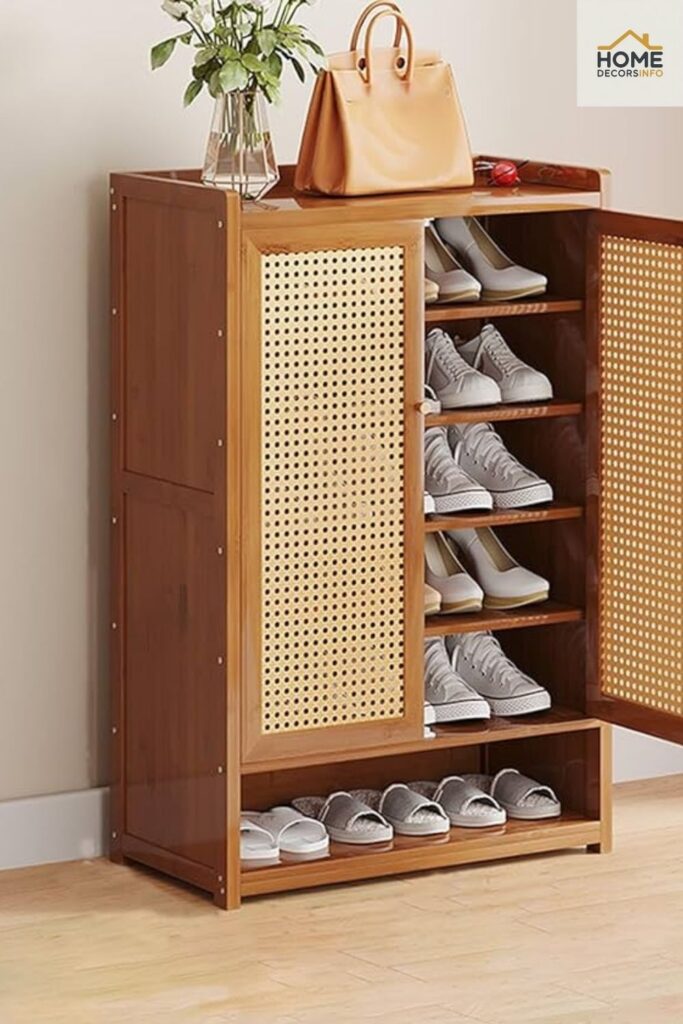
Storage is important, but it doesn’t have to take up all the space. The entryway feels open with light wood cabinets that have clean lines. Choose slim profiles that sit close to the wall instead of big pieces. If you take care of how you style open shelving, it can also work. A folded cloth, one or two baskets, or a ceramic tray will do. These Japanese entryway ideas make it easier to only keep what you really need. This fits in well with Japanese ideas for home entrances that value simplicity and clarity. The goal is to make coming home easy, not loud to look at.
3. Soft lighting that makes people feel welcome
The way an entryway feels can change completely with lighting. Harsh overhead lights can make small rooms feel cramped and unwelcoming. Choose lighting that is warm and diffused instead. A wall sconce with a soft glow or a paper lantern-style light works great. When it comes to Japanese entryway ideas, lighting is never about drama. It’s all about comfort. Soft light makes it easier for the eyes to adjust and makes the room feel less happy right away. This style works well with Japanese entryway design, where light is used to create a calm atmosphere instead of drawing attention.
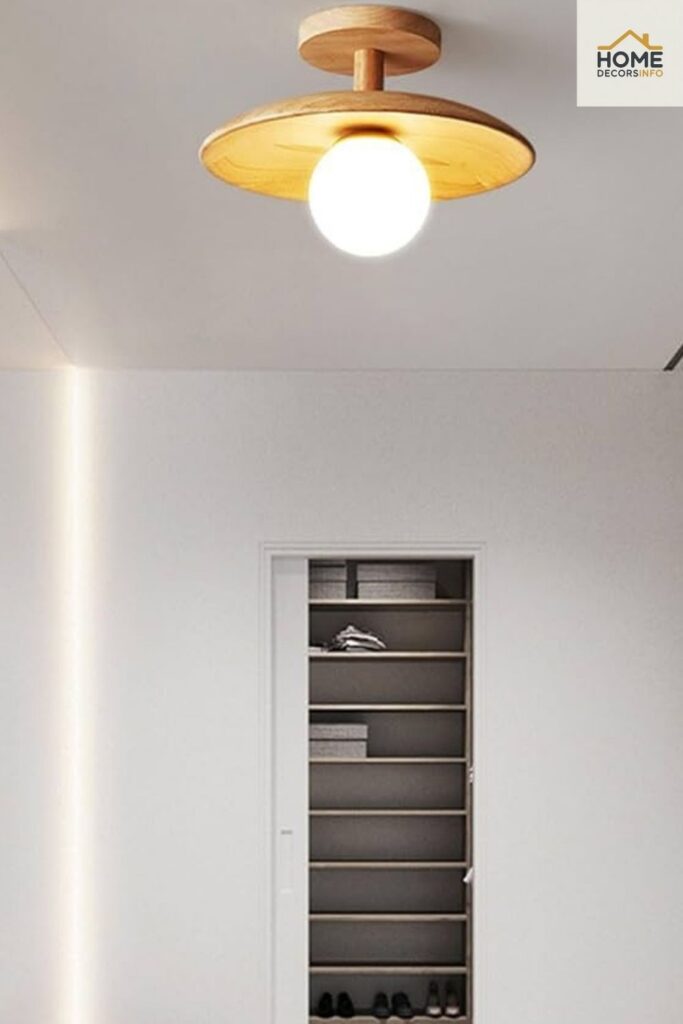
4. A Simple Bench That Makes You Want to Slow Down
A simple bench can change how people use an entryway. It gives you a place to stop, take off your shoes, or put down a bag. Pick a low wooden bench that has a natural finish and a clean shape. Don’t use extra cushions or bold patterns. The beauty is in being careful. These Japanese ideas for entryways focus on comfort without going overboard. A narrow bench can work wonders, even in small spaces. It adds warmth and function in a quiet, thoughtful way that goes along with minimalist entryway ideas.
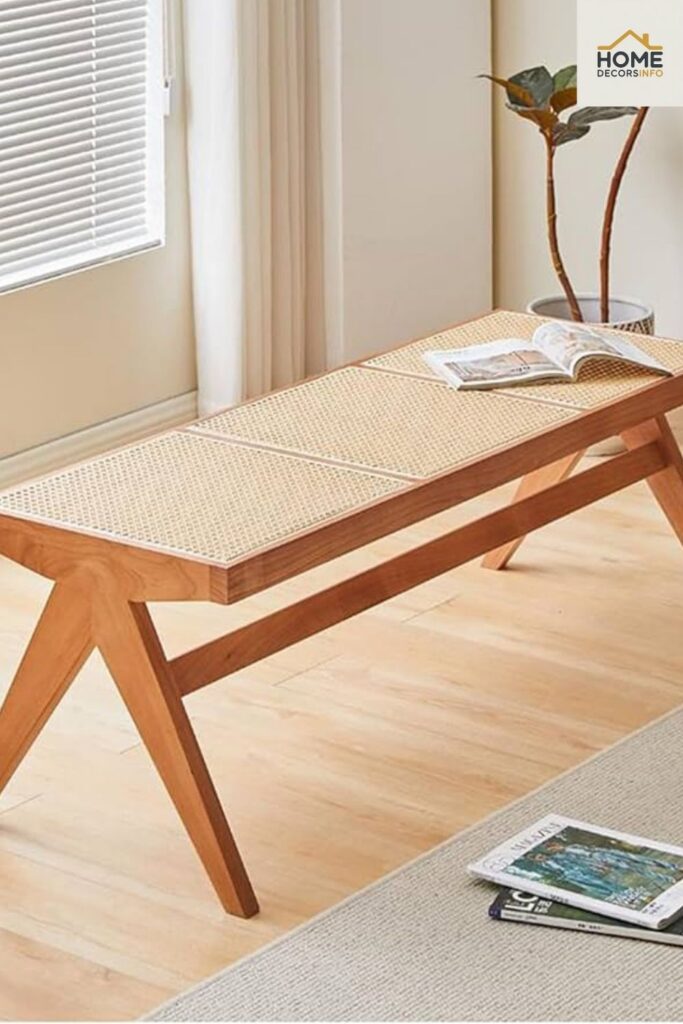
5. Natural materials that link the space to nature
Nature has a quiet place in Japanese homes. Stone tiles, wood grain, or clay accessories can show this in the entryway. You don’t need a lot. A stone tray for keys or a wall with a rough finish can be all you need. When you use Japanese entryway ideas here, you let the materials do the talking. Earthy colours and surfaces that feel good to the touch help you feel more grounded. This is an important part of a calm entryway design that looks great in both modern and traditional homes.
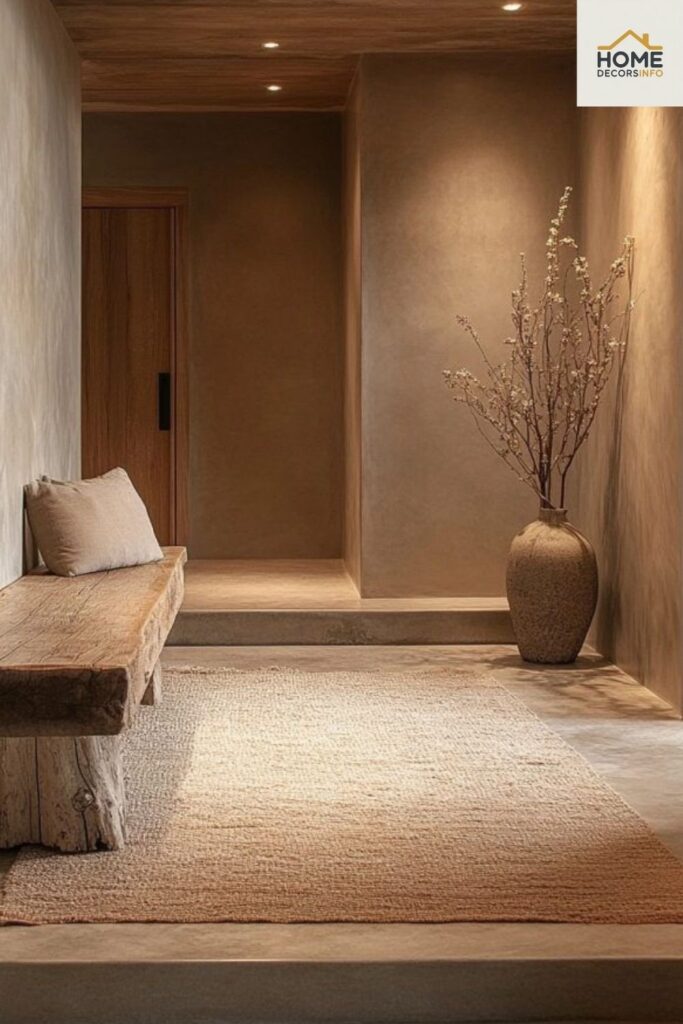
6. Thoughtful decluttering that keeps the area open
Less stuff in the entryway makes it calmer. Shoes are neatly stored, bags are hung out of sight, and most surfaces are kept clear. This doesn’t mean the space feels empty. It seems like it was planned. These Japanese entryway ideas make you want to change things instead of adding to them. Ask yourself what really needs to be in this space. This way of thinking is important to Japanese home entrance ideas and works well with Japanese-style small entryway ideas. When the entryway is clear, the whole house feels lighter.
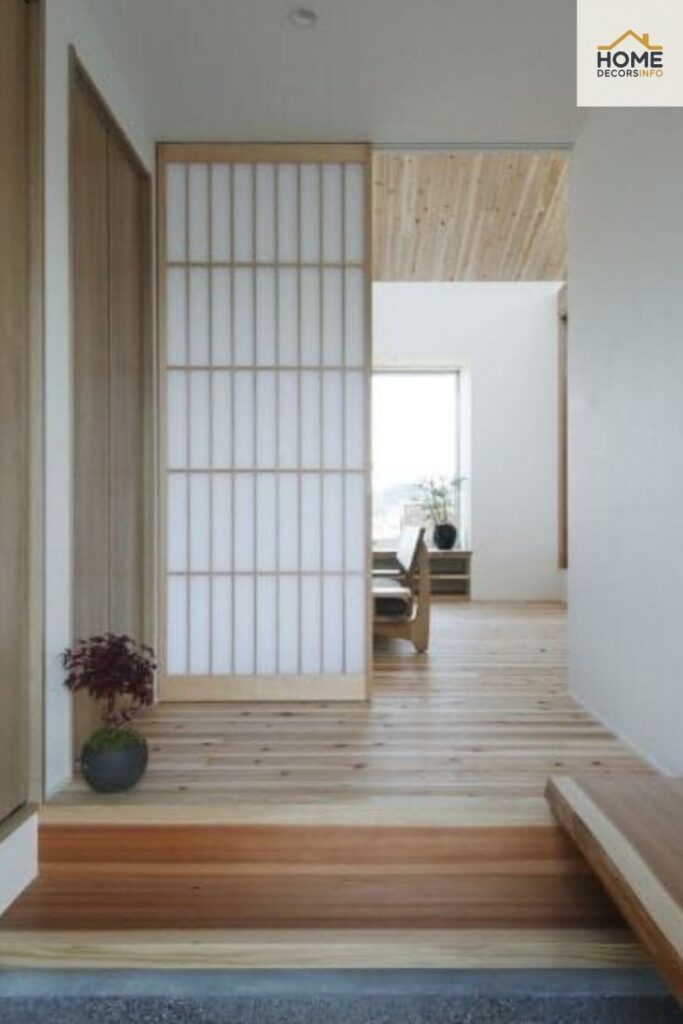
Check Out Our latest Article: 5 Smart Gardening Tools for Beginners That Simplify Small Home Living
7. Quiet decor that gives a room personality
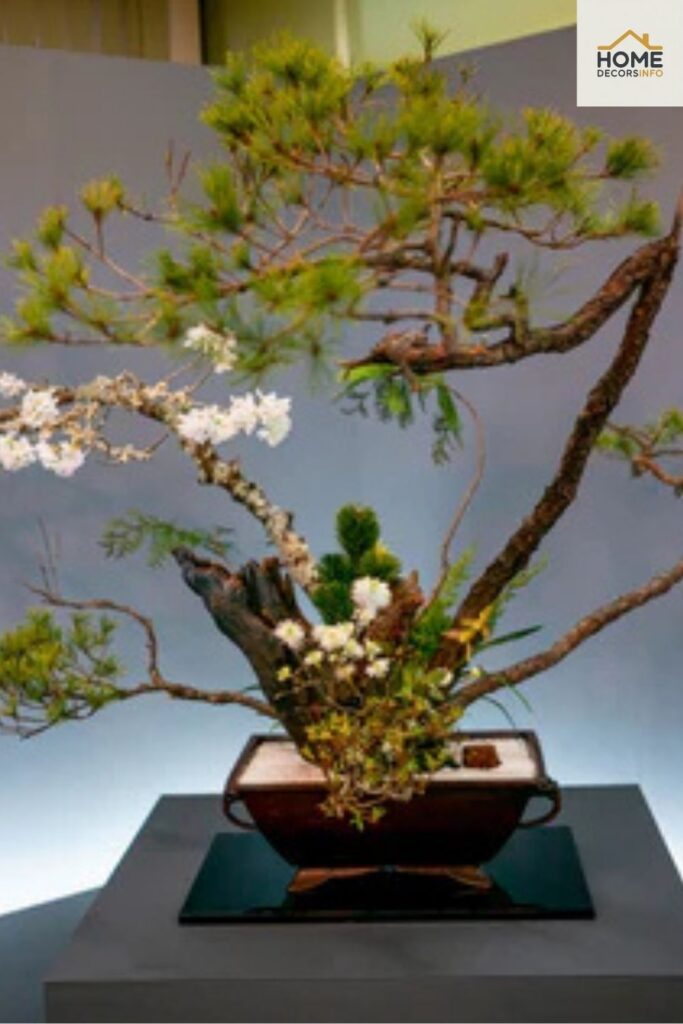
Japanese-inspired entryway decor is simple and meaningful. A small ceramic piece, a framed piece of art, or a simple flower arrangement can be enough. Don’t fill every wall or surface. With Japanese entryway ideas, less is more. Each item should feel like it was chosen, not just put there to fill space. This method makes you feel warm inside while keeping your eyes calm. It also lets the entryway change naturally over time as people’s tastes change.
Conclusion:
Keep in mind that your entryway doesn’t have to be big to feel special as you put these ideas together. Little decisions add up. Natural textures, soft lighting, and smart storage can make a big difference in how you feel when you get home. Japanese entryway ideas remind us that taking care of things, not making them perfect, makes things calm. A small corner or a narrow hallway can be a peaceful place to stand. Give your space room to breathe, trust your gut, and let simplicity guide your choices. These small changes over time make an entrance that feels welcoming every day.
FAQs
- What colours work best for a Japanese-style entryway
Soft neutrals, warm wood tones, and earthy shades help create a calm and balanced look. - Can Japanese entryway design work in small apartments
Yes, it is especially suitable for small spaces because it focuses on simplicity and function. - What type of lighting suits a Japanese interior entryway
Warm, diffused lighting creates a gentle and welcoming atmosphere. - Are open shelves suitable for a Japanese home entrance
They can work well if styled minimally and kept uncluttered. - How do I keep my entryway calm on busy days
Simple storage systems and daily reset habits help maintain visual calm.