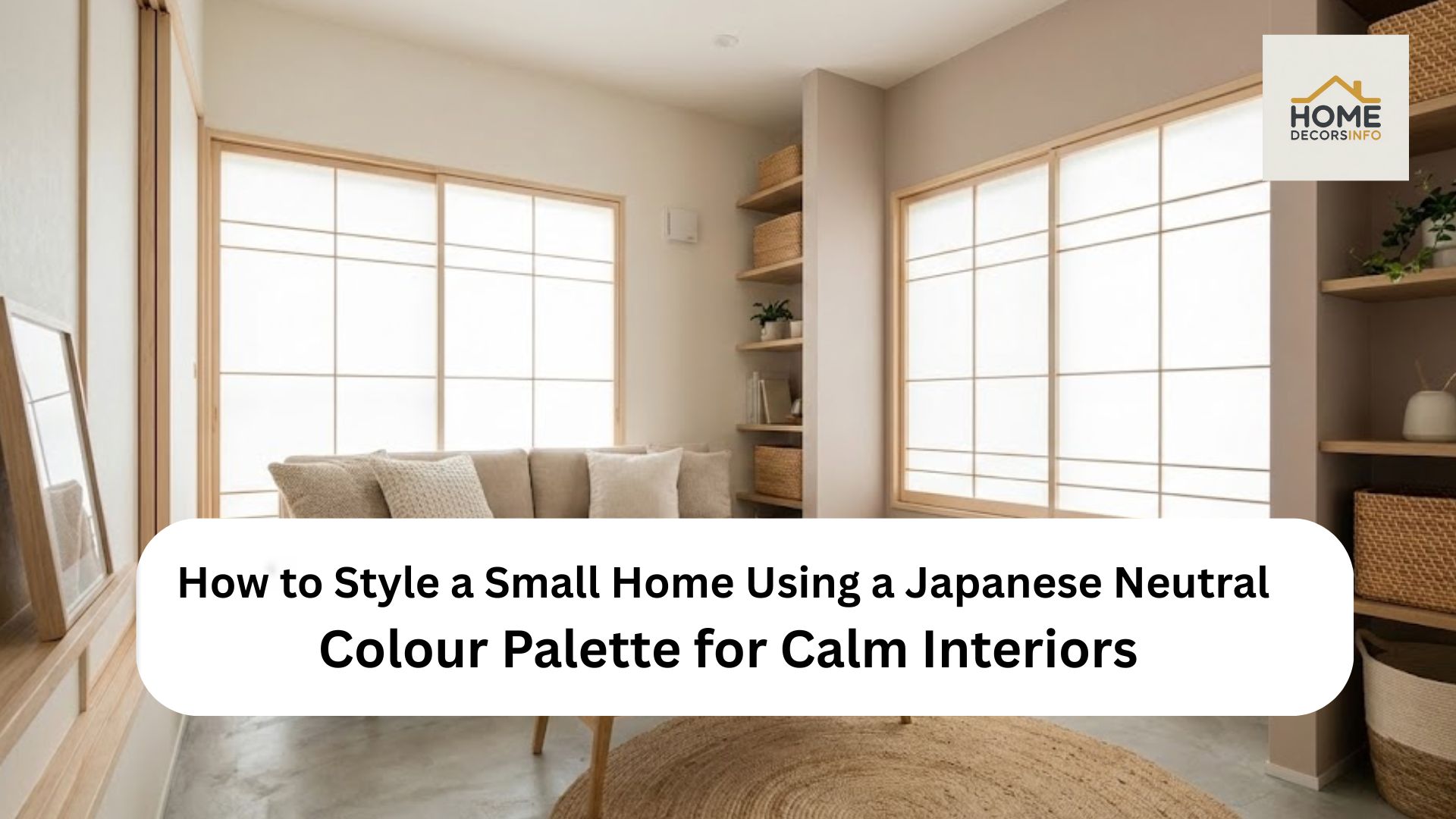
Japanese neutral color palette to make modern living spaces calm and cosy
It can be hard to figure out how to decorate a small home. You want it to feel open but not empty, warm but not too crowded, and personal without being too much. This is where a Japanese neutral colour scheme really stands out. Based on balance and simplicity, it gives you a smart way to arrange small spaces that feel calm and purposeful. Soft neutrals, gentle contrasts, and natural textures can help a home breathe easier when every square foot counts.
A Japanese neutral colour palette makes a small apartment or house feel cosy while letting in a lot of light. It’s not about being perfect or following strict rules. It’s about picking colours and materials that make you feel at home and relaxed. This method combines beauty and function to make small homes feel more open and personal.
- Getting to the Heart of a Japanese Neutral Colour Palette for Small Homes
A Japanese neutral color palette is based on nature and moderation at its core. Think of warm whites, soft beiges, clay-toned browns, and muted grays that look like stone, sand, and wood. These colours are easy on the eyes and make a flow that looks great in small spaces. There isn’t a sharp contrast that draws your attention; instead, there is a quiet harmony that makes rooms feel connected.
This colour scheme helps cut down on visual noise in small homes. Instead of fighting with each other, walls, floors, and bigger pieces of furniture work together. A Japanese neutral colour scheme also allows for flexibility. You can add or take away layers like cushions, throws, or ceramics as the seasons change without disturbing the calm base. This style grows with you instead of boxing you in. - Picking the Right Base Colours to Make a Small Space Feel Bigger
Start with the base surfaces when you style a small home. Colours on walls, ceilings, and floors take up the most space, so they set the mood. When you start with a Japanese neutral color palette, you usually use warm off-whites or light greige shades that softly reflect light. These colours keep things light and airy while also keeping rooms from feeling flat.
Light oak or pale wood finishes look great on floors. They make the room feel warmer without making it darker. If you can’t use wood, stone-toned tiles or soft beige matte finishes can give you a similar look. Using a Japanese neutral colour scheme on these main surfaces helps the small home feel bigger and more thoughtfully designed by making everything look the same. - Letting natural materials tell the story of the design
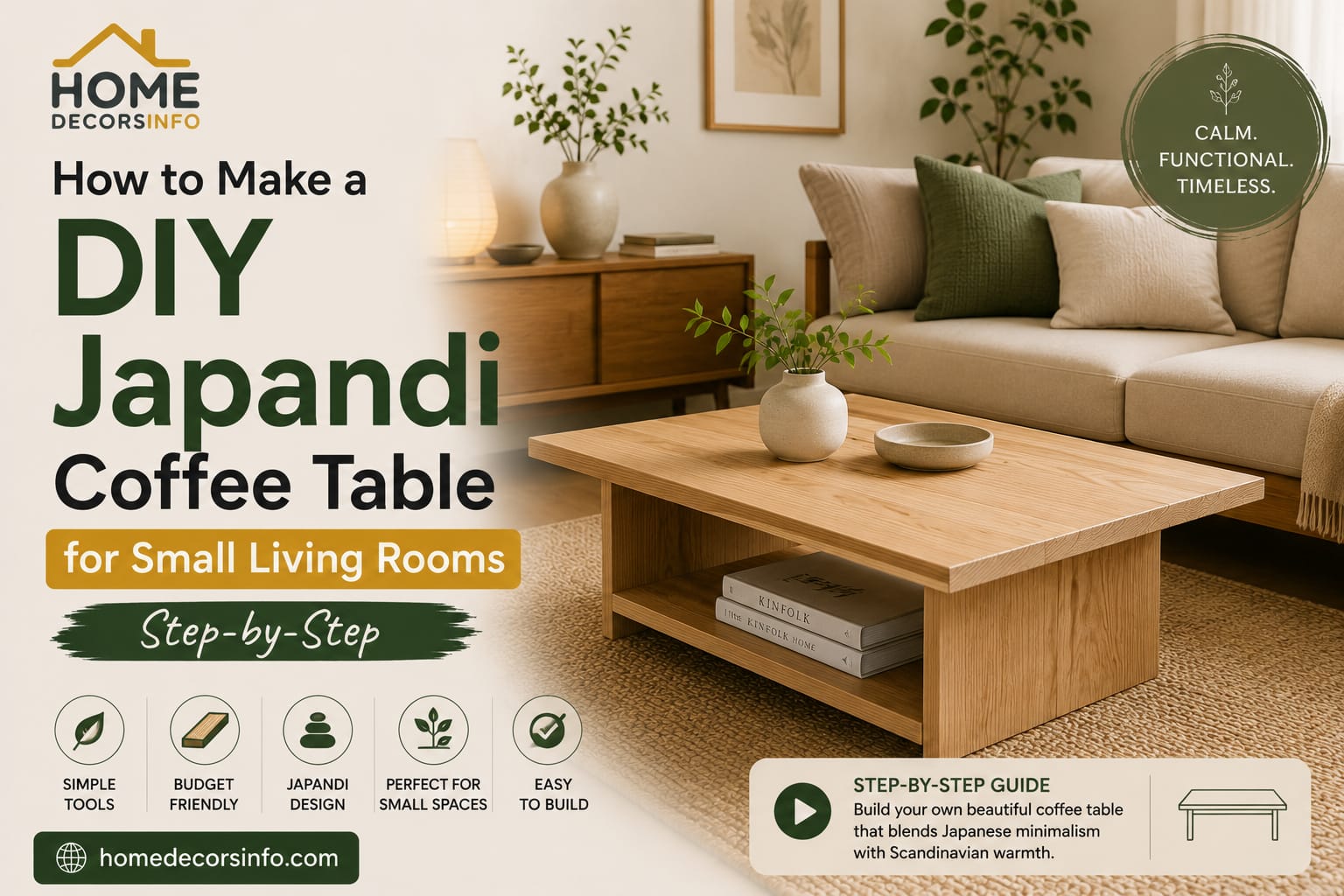
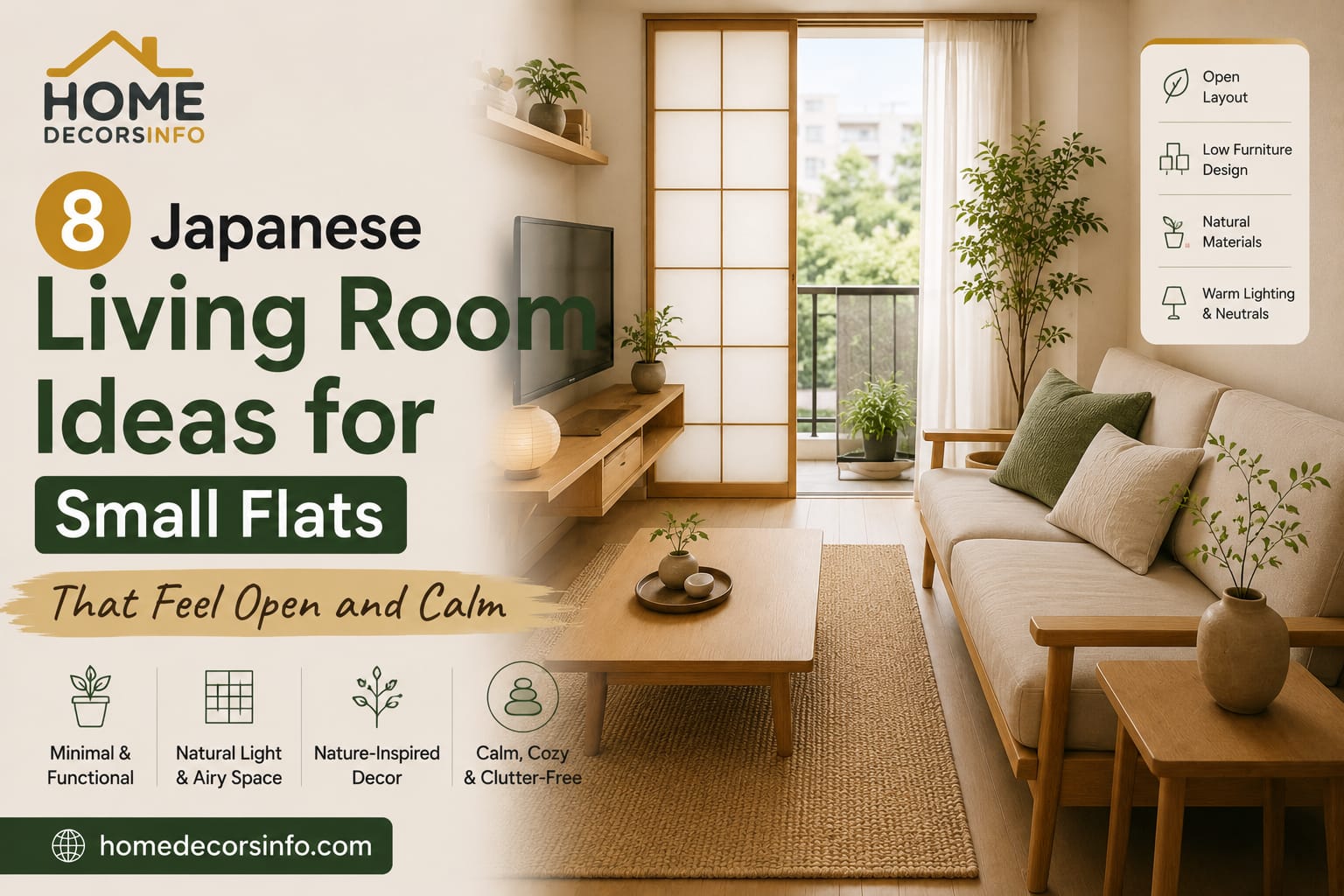
Any Japanese neutral colour scheme needs to have natural materials in it. Wood, linen, cotton, clay, and paper add texture and a calm character to small spaces. A low wooden table or a sofa covered in linen can make a small living room feel bigger without taking up too much space. These materials get better with age and make a home feel more real than like it’s been styled for show.
Choose cotton bedding in warm, neutral colours and simple wooden side tables for the bedroom. Small things like wooden utensils or ceramic bowls can help the colour scheme in kitchens. A Japanese neutral colour scheme and natural materials make small homes feel honest and welcoming, as if everything has a purpose and a place. - Using light and shadow to make Japanese interiors more peaceful
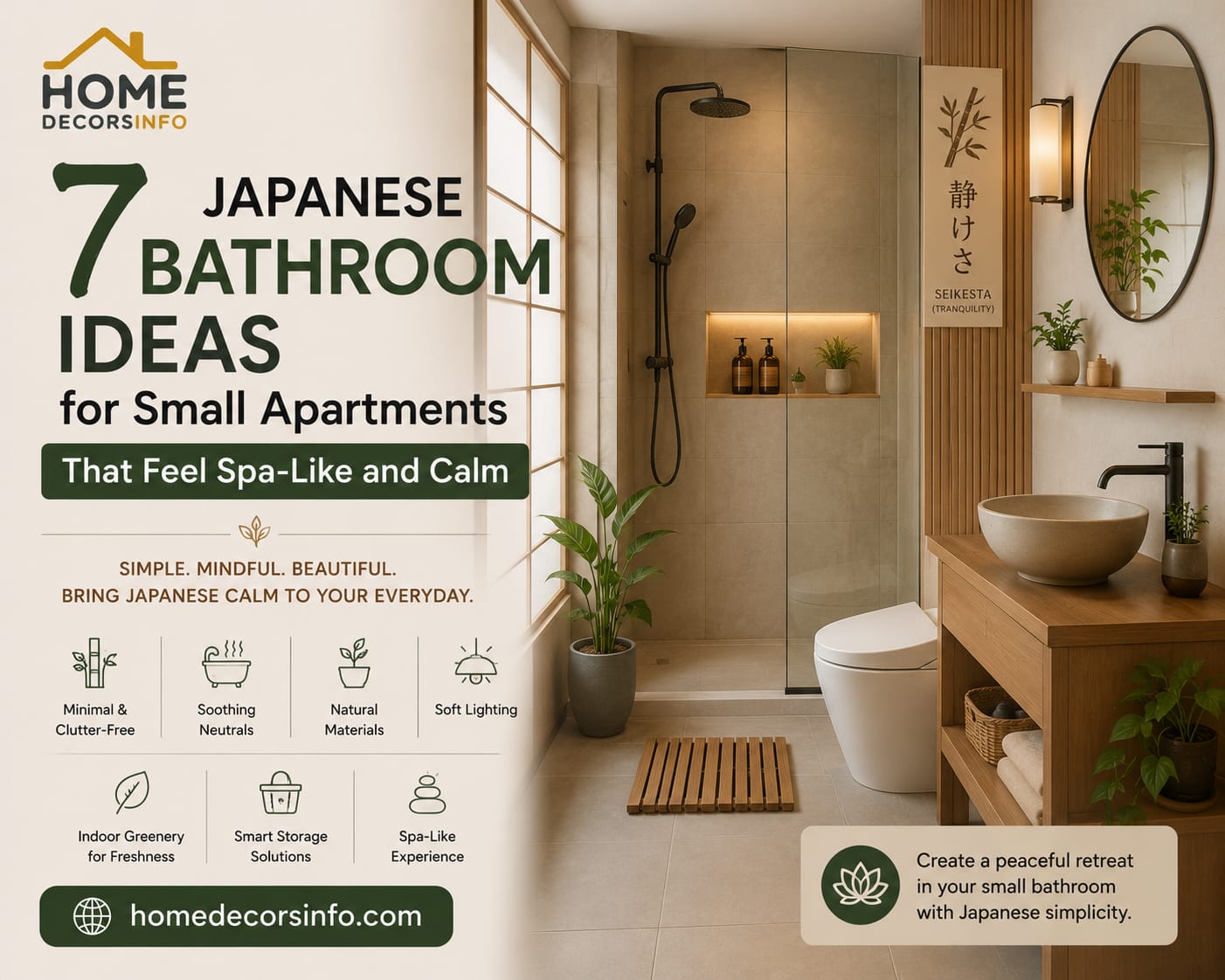
Light is very important in calm Japanese interiors, especially when there isn’t much room. Instead of bright lights from above, try soft layers. Paper lantern-style lamps, warm LED bulbs, and table lamps set at different heights all make a soft light. This lighting goes great with a Japanese neutral colour scheme because it brings out textures instead of flattening them.
You shouldn’t block natural light; you should let it in. Off-white or light beige sheer curtains let in light while still keeping people from seeing in. Shadows are part of the design, giving it depth and a sense of drama. In small homes, this smart use of light makes rooms feel cosy without being too closed in, which goes along with the calm mood of the colours. - Choosing furniture that feels light and useful
The furniture you choose can make or break a small home. Japanese neutral colour schemes usually have furniture that is low to the ground and looks light. Sofas that are lower to the ground, simple wooden chairs, and thin tables all help keep the view open. This method keeps rooms from feeling cluttered and grounded.
Pieces that can do more than one thing are very useful. This style works well with a bench that can be used for storage or a dining table that can also be used as a desk. The Japanese neutral colour palette looks good when the furniture is made of the same materials and colours. In smaller homes, it’s important that each piece supports the space instead of drawing attention to itself. - Making a small home colour palette work together
A well-planned small home colour scheme depends on consistency. Colours should feel like they go together as you move from one room to the next. If you have a Japanese neutral colour scheme, you could use a warmer color in the living room and a cooler color in the bedroom. The change is small, but it keeps each space feeling different.
This flow makes small homes feel planned. This method works wonders for hallways, which are often ignored. Keeping them light and neutral connects spaces and makes sure there are no breaks in the view. This Japanese neutral colour scheme makes even transitional spaces feel calm instead of like forgotten corners. - Adding texture and soft contrast without making things messy
Small spaces do better with texture than with too much decor. Woven rugs, linen pillows, and ceramic vases add interest without making surfaces look crowded. These textures add a little bit of contrast to a Japanese neutral colour palette while staying in a calm range of tones.
Stay away from finishes that are shiny or too bold. Things with matte surfaces and things made by hand fit in better here. A single sculpture or a wall hanging with texture can be enough. A Japanese neutral colour palette helps small homes feel curated but relaxed, never overdone, by keeping decorations to a minimum and focusing on quality. - Organising storage to go with Japanese minimalist decor
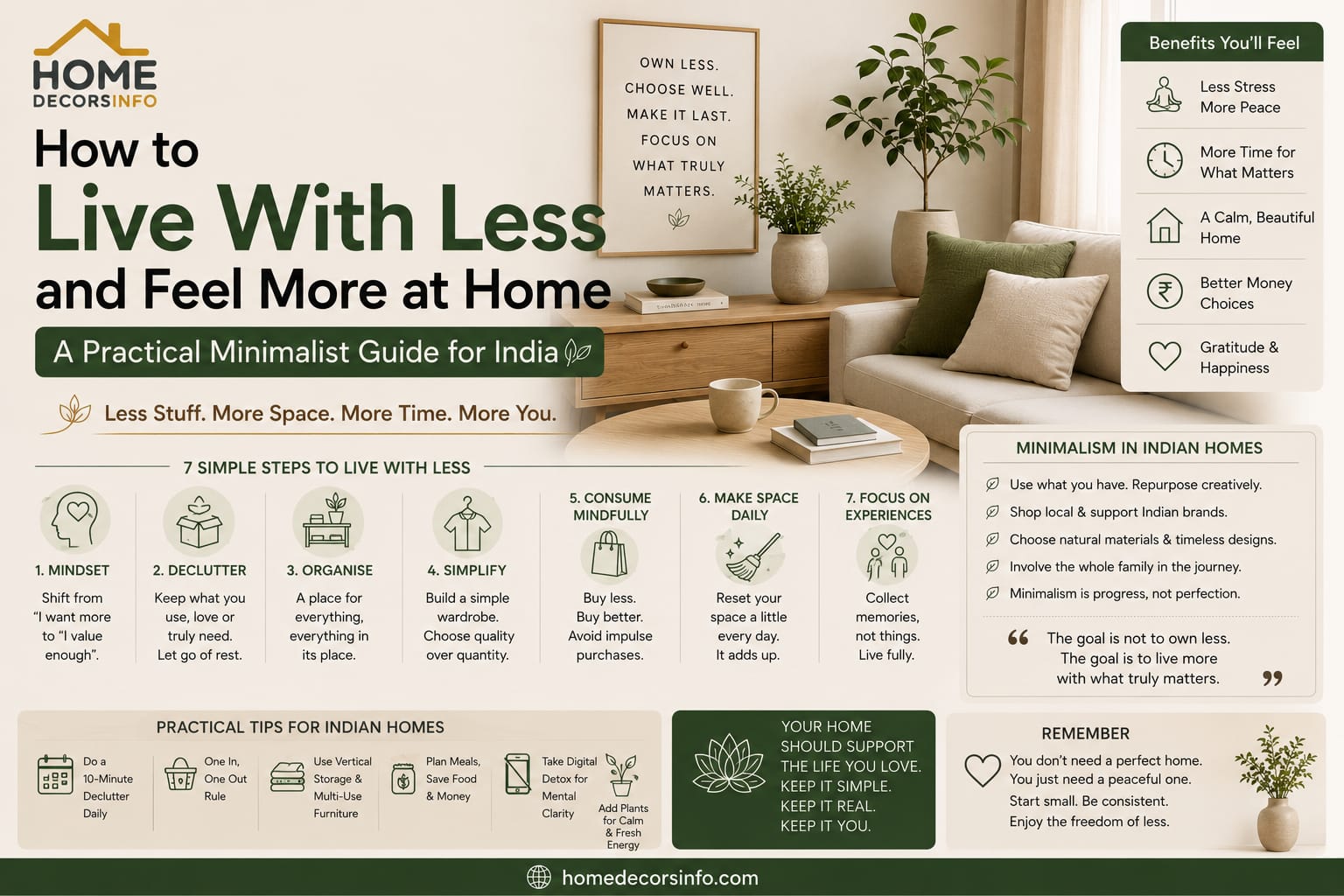
Small homes need storage, but it doesn’t have to be completely hidden away. Minimalist Japanese decor often features storage that is both useful and pretty. Light wood or neutral-colored open shelving keeps things easy to get to while keeping the room calm.
Baskets made of natural fibers are great for holding blankets, books, and other things you use every day. They fit right in with a Japanese neutral color scheme and add softness. Closed storage should blend in with the walls or furniture, so it doesn’t stand out. When storage fits with the design, small homes feel more peaceful and easier to live in. - Adding Nature to Make It Feel Lived In
Plants bring life to neutral spaces, especially when the colors are Japanese neutrals. Pick simple plants like a small ficus, a fern, or a single branch in a vase made of ceramic. These touches are like nature without taking over the room.
In small homes, fewer plants that are well-placed work better than a lot of pots that are all over the place. A plant by a window or in a quiet corner gently catches the eye. When paired with Japanese neutral colours, greenery adds freshness and softness, reminding us that calm spaces can still feel alive and personal. - Personal touches that make the space feel warm and human
Just because you use neutral colours in Japanese design doesn’t mean you have to lose your personality. It just makes people want to do things. This style can easily fit personal items like books, handmade ceramics, or framed pictures. Editing and spacing are the most important things.
Pick things that have the same tone or material so they fit in with each other. Let each piece have some space. This method keeps surfaces clear in small homes while still showing who you are. A Japanese neutral colour scheme makes personal touches feel more thoughtful than cluttered. It adds warmth without making the space look busy.
Check Out Out Latest Article: Daily-minimalist-habits-peaceful-home

Japanese neutral color palette: A Thoughtful Ending for Living in a Small Space
When you style a small home, you have to think about how space, light, and daily life will work together. A Japanese neutral colour palette gives you a calm base that can change as your needs do. It makes you want to take your time, make smart choices, and enjoy the simple things in life. Even the smallest home can feel open and cosy if you use natural materials, soft colours, and purposeful design. Let your space change naturally, layer by layer, and trust that small choices often make you feel more at home.
- Is a Japanese neutral colour scheme good for very small apartments?
Yes, it cuts down on visual clutter and makes small spaces feel more open and calm. - Do Japanese neutral colours go with modern furniture?
They look great with modern furniture, especially pieces with clean lines and natural finishes. - How can I make my neutral home feel less boring?
Add depth to the space without making it feel crowded by using texture, light, and a few personal items. - Are the neutral colours in Japandi different from the neutral colours in Japanese?
Japandi combines Japanese restraint with Scandinavian warmth, but both styles like soft neutrals. - Do Japanese interiors that are calm need to be very simple?
No, they don’t take away everything you love; instead, they focus on balance and intention.