Table of Contents
- 1 1. Learning about the history of Japandi and Japanese design
- 2 2. How traditional Japanese decor looks in small apartments
- 3 3. Why Japandi style is good for modern apartment living
- 4 4. The difference between Japandi and Japanese decor in terms of light and space
- 5 5. Important furniture choices for small rooms
- 6 6. The importance of storage and getting rid of things
- 7 7. Materials and textures that set the mood
- 8 8. Color schemes and how they make you feel
- 9 9. Making the inside of your home calm without making it feel cold
- 10 10. Fit with everyday life and lifestyle
- 11 11. Putting things together without losing harmony
- 12 12. What works best for small apartments in general
- 13 Japandi vs Japanese decor: A well-thought-out ending
- 14 FAQs
What kind of decor works best for small apartments and modern living: Japandi or traditional Japanese?
It can be hard to figure out how to decorate a small apartment. You want beauty, peace, and personality, but you also want every corner to do a little more work. Japanese-style interiors are the answer for many people because they value balance and simplicity. People have been talking a lot about Japandi vs. Japanese decor is popular lately, especially among renters and people who live in cities with little space. Both styles are calm and make you think, but they make you feel very different. In this guide, we’ll look at Japandi vs Japanese decor in a calm and useful way, focusing on what really works in small homes. You are in the right place if you like warm wood, soft light, and rooms that are easy to live in.
1. Learning about the history of Japandi and Japanese design
To compare Japandi and Japanese decor, it’s best to start with where each style comes from. Japanese decor is very much tied to culture, rituals, and nature. It values respect for space, quiet, and balance. Rooms are often bare, with only a few carefully chosen items that serve both purpose and meaning. Traditional Japanese decor has an emotional depth that makes it feel almost meditative.
In contrast, Japandi interior design combines Japanese ideas with Scandinavian comfort. It keeps the calm look of Japanese interior design but adds warmth and everyday usefulness to it. This difference is important in small apartments. Japandi is a little more forgiving, especially if your home needs to be both cozy and tidy. People often talk about this difference when they talk about modern living in Japandi vs. Japanese decor.
2. How traditional Japanese decor looks in small apartments
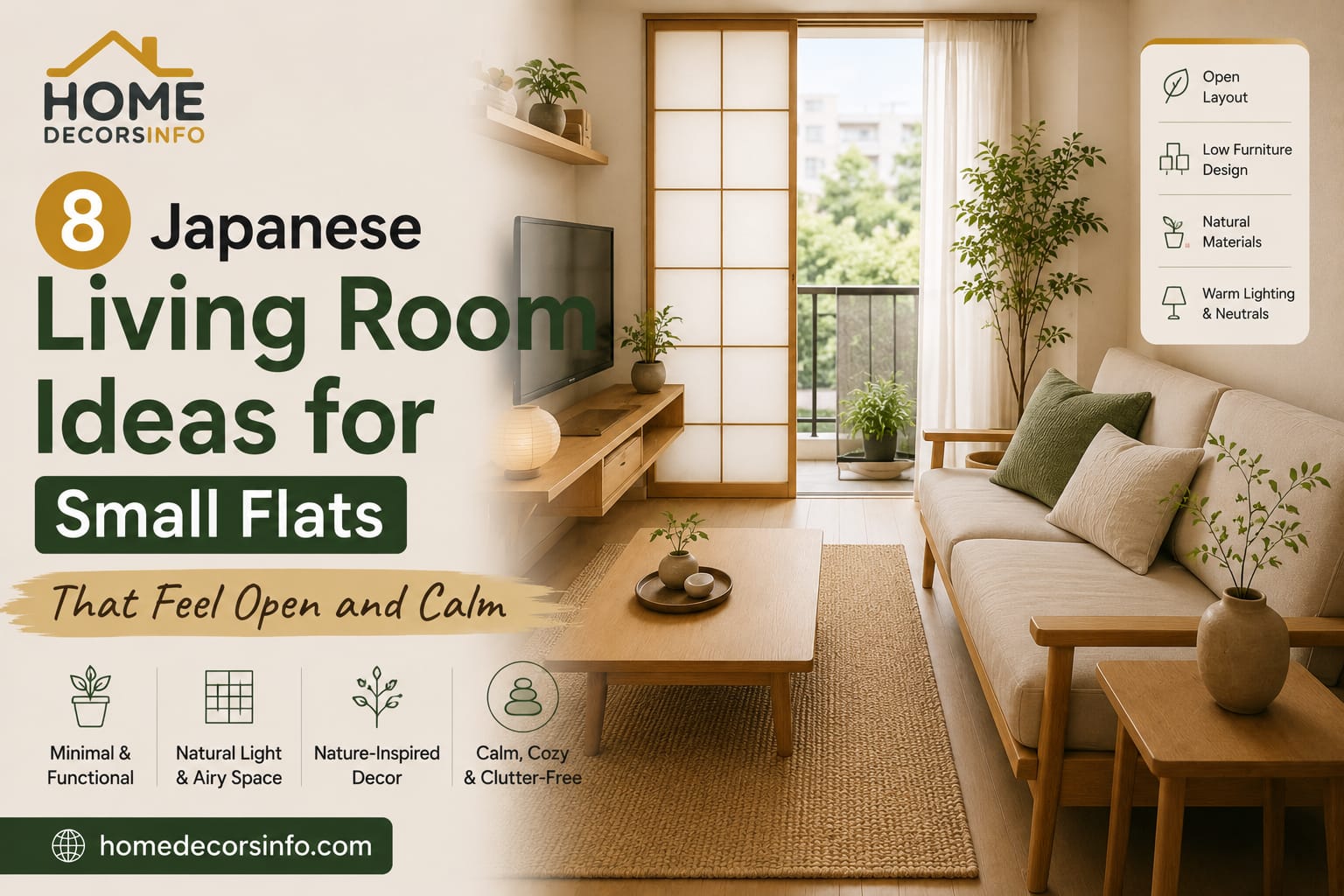
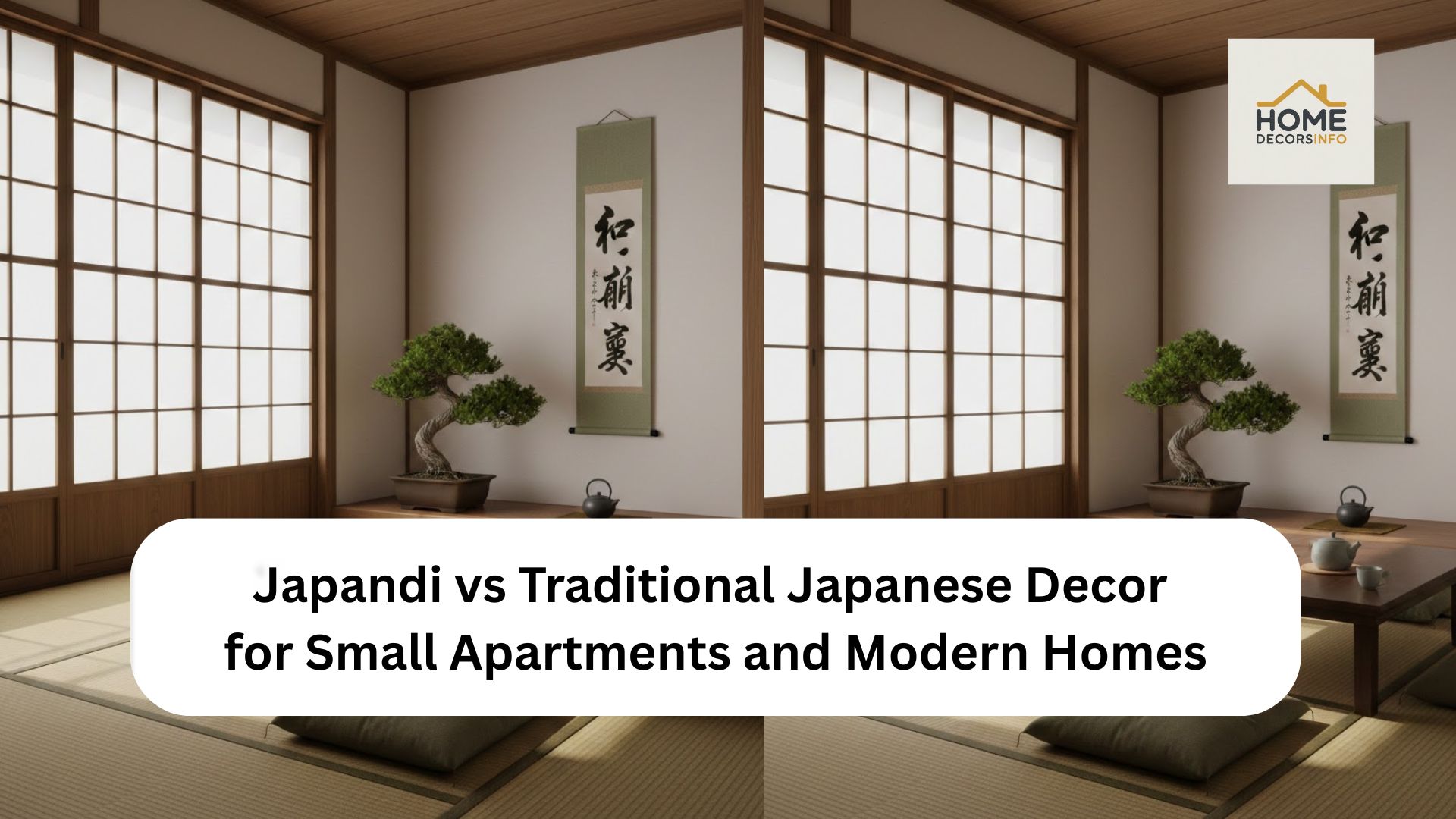
If you plan it out well, traditional Japanese decor can look great in a small space. It needs to be open, have low furniture, and be able to let in a lot of natural light. Tatami mats, sliding shoji screens, and floor seating make rooms feel more open and grounded. This method can make ceilings seem higher and rooms seem bigger in small apartments.
But this is where the problem with Japandi vs. Japanese decor becomes clear. You often have to commit to traditional Japanese decor. Floor seating and not much storage can make city apartments feel like they aren’t very useful for everyday life. This style can be very rewarding if you like simple, ritualistic things. But it wants you to change more than just your furniture. This is where a lot of people who live in small apartments start to like Japandi solutions.
3. Why Japandi style is good for modern apartment living
Japandi interior design seems to connect old and new styles. It keeps the clean lines and restraint of Japanese minimalist style, but it adds softness with textiles, rounded edges, and useful furniture. In a small japandi apartment, you might see a low-profile sofa instead of floor cushions, along with a simple wooden coffee table.
When comparing Japandi and Japanese decor, Japandi often seems easier to live with. The furniture can do more than one thing, and there is built-in storage. The mood is relaxed, not strict. This balance can make a home feel calm without being empty for renters and busy professionals. Japandi interior design lets your personality show through small details while still keeping things simple.
4. The difference between Japandi and Japanese decor in terms of light and space
When looking at Japandi vs. Japanese decor for small homes, light is very important. Traditional Japanese decor lets in natural light, but it usually comes through paper screens. This makes a soft, diffused light that makes you feel calm. This can look great in small apartments, but it can also be too dark, especially in buildings with few windows.
Japandi interior design usually lets in more light. Light wood tones, sheer curtains, and pale walls all help to reflect light around the room. During the day, this makes a small Japandi apartment feel brighter and more open. Japandi often feels more flexible if your apartment doesn’t get a lot of natural light. This difference in how they handle light is a small but important part of the decision between Japandi and Japanese decor.
5. Important furniture choices for small rooms
Furniture can make a small apartment feel bigger or smaller. Japanese traditional decor prefers furniture that is low or none at all. This keeps lines of sight clear and encourages living in the moment. In theory, this works well in small areas. In real life, a lot of people still want a desk, a sofa, or a dining table.
Japandi interior design meets this need with furniture that has clean lines and sits low but feels familiar. A slim sofa with wooden legs or a small dining table can look and feel both light and useful in a small japandi apartment. People often choose Japandi over Japanese decor because it is more flexible, especially when they work from home or have guests over.
6. The importance of storage and getting rid of things
One of the biggest problems with minimalist apartment decor is storage. Traditional Japanese decor makes you want to own less, which can be freeing but also hard. Storage is often hidden or built in, but this isn’t always possible in rental apartments.
Japandi interior design is practical when it comes to storage. Common features include closed cabinets, wooden sideboards, and benches with hidden storage. They help with real-life needs while keeping visual clutter at bay. In the ongoing debate over Japandi vs. Japanese decor, this useful storage item makes Japandi seem more possible for many city dwellers.
7. Materials and textures that set the mood
Both styles use a lot of natural materials, but they use them in different ways. Bamboo, rice paper, stone, and unfinished wood are common materials in traditional Japanese decor. These materials make the room feel calm and almost holy, as if it is very connected to nature.
Japandi interior design gives rooms more texture. Soft wool throws, linen pillows, and matte ceramics make the room feel warm. These textures make a small Japandi apartment feel lived in without making it feel cluttered. When people want a calm home interior without being too strict, texture is often the most important thing to think about when comparing Japandi and Japanese decor.
8. Color schemes and how they make you feel
Color is an important but subtle part of Japandi and Japanese decor. Traditional Japanese decor usually uses earthy neutrals, deep browns, muted greens, and natural tones. These colors make the room feel stable and encourage quiet thought.
Japandi interior design makes the colors lighter. Common colors are soft beiges, warm whites, pale woods, and soft grays. In small apartments where darker colors can feel heavy, this lighter style works well. If you like calm home interiors that still feel new, Japandi is often more uplifting while still following Japanese design rules.
9. Making the inside of your home calm without making it feel cold
One worry people have when they look into Japandi vs. Japanese decor is that their space will feel cold or empty. If not balanced with warmth, traditional Japanese decor can sometimes feel too formal. It can be scary when everything seems like it has a purpose.
Japandi interior design makes this experience less harsh. Plants, textured fabrics, and handmade pottery give the room a quiet personality. These little things make a japandi small apartment feel like home. The goal is not to be perfect, but to find a balance. This emotional ease is a big reason why Japandi appeals to people who want simple apartment decor that still feels like home.
10. Fit with everyday life and lifestyle
Your way of life is a big factor in deciding between Japandi and Japanese decor. Traditional Japanese decor often encourages a slower, more ritualistic way of life. Meals, rest, and daily routines are planned and based on something.
Japandi interior design works well with modern life. It lets you work from home, have friends over, and unwind after a long day. The space changes to fit you instead of making you change completely. For people who live in small apartments and have busy lives, this flexibility can make Japandi seem like a natural extension of Japanese minimalist style.
11. Putting things together without losing harmony
A lot of people don’t want to have to choose between Japandi and Japanese decor. If you do it carefully, mixing things can work out great. A low Japanese-style table and a Scandinavian chair, or a shoji-inspired lamp in a Japandi living room, can all work together.
The most important thing is to hold back. Use only a few colors and natural materials. Give negative space room to breathe. Whether you like traditional Japanese decor or Japandi style, you can create harmony by being intentional. In small spaces, less really does feel like more.
12. What works best for small apartments in general
So, what really works best when you compare Japandi and Japanese decor for small apartments? It usually comes down to comfort and lifestyle. Traditional Japanese decor can make you feel calm and clear, but it takes work to keep it up. Japandi interior design is warm, balanced, and flexible.
Japandi is usually easier to keep up with and change in most city apartments. It honors Japanese interior design while also meeting modern needs. That being said, using parts of traditional Japanese decor can make your space feel more real and interesting. This comparison is beautiful because it makes you want to take your time and plan carefully.
Japandi vs Japanese decor: A well-thought-out ending
When you decorate a small apartment, it’s less about what’s in style and more about how you want to feel at home. When you look at Japandi vs. Japanese decor, you should think about your daily routines, your need for comfort, and how you feel about space. Both styles give you a sense of peace and clarity that is nice to have in busy cities. Let your space support your life, whether you choose the simple, ritualistic look of traditional Japanese decor or the warm, balanced look of Japandi interior design. Even the smallest apartment can feel grounded, peaceful, and very personal with natural materials, well-thought-out furniture, and a gentle approach to minimalism.
Check Out Our Latest Article: Daily Minimalist Habits That Make Your Home Feel More Peaceful and Calm
FAQs
- Is Japandi better than traditional Japanese decor for small apartments
Japandi often feels more practical for daily life while keeping a calm aesthetic. - Can I mix Japandi and traditional Japanese decor in one space
Yes, blending elements works well when you keep materials and colors consistent. - Does traditional Japanese decor work in modern apartments
It can, but it may require lifestyle adjustments like floor seating and less storage. - What colors suit a Japandi small apartment best
Warm whites, soft beiges, and light wood tones help keep spaces open and calm. - Which style is easier to maintain over time
Japandi interior design is usually easier to maintain due to its flexible and functional approach.